Leukemia Treatment Specialists in Portland and Vancouver

At Compass Oncology, our leukemia specialists are both hematologists and oncologists. They discuss treatment options with each patient based on the specific type of leukemia, its stage, and the patient’s overall health. With cancer centers in Portland and Vancouver, you can receive quality cancer care at a location that’s convenient for you.


compass-pillar-leukemia-cancer-care


Leukemia_Support_Services_-_Blood_Cancer_Specialists_in_Portland

Recently Diagnosed with Leukemia?

We are here to guide you in selecting and receiving the treatment that's right for you. If you were recently diagnosed, our team is ready to provide support and answer any questions you may have about leukemia.

A Team Approach to Leukemia Care and Treatment

Compass Oncology offers a team-based approach to treating leukemia. Our hematologist/oncologist works with other physicians, such as radiation oncologists, to develop a personalized treatment plan for each patient.

Compass Oncology offers a variety of the latest treatment options, including clinical trials that give patients access to innovative therapies designed to improve outcomes and quality of life. This comprehensive approach ensures you receive support every step of the way, from diagnosis through survivorship. We also offer second opinions on treatment plans for all types of blood cancers, including leukemia.


Find a Hematologist in Portland, Oregon

Understanding the Factors that Impact Treatment for Leukemia

Recommended treatment depends on the specific type of leukemia, your age, and your overall health. Blood cancer specialists may also consider how quickly the leukemia is progressing and whether any genetic markers are present when making treatment decisions.

Types of Leukemia

Leukemia is a group of blood cancers classified by how quickly they develop and the type of white blood cell affected. It can be chronic, which usually progresses slowly, or acute, which tends to progress quickly. The four main types are chronic lymphocytic leukemia (CLL), chronic myeloid leukemia (CML), acute lymphocytic leukemia (ALL), and acute myeloid leukemia (AML).

Stages of Leukemia

Blood cancers, like leukemia, are staged differently from solid tumors. To determine the extent of leukemia, tests help determine the type of blood cells affected, the number of abnormal cells present in the blood or bone marrow, the presence of symptoms, and whether any organs are affected.

The Latest Leukemia Treatment Options

Treatment may be delayed for chronic leukemia cases until symptoms appear or become more severe. For more aggressive types of leukemia, immediate treatments are more likely.

Your hematologist/oncologist will recommend a personalized leukemia treatment plan for you based on the specific type, stage, and your age and overall health. Treatment may include one or more therapies, such as chemotherapy, targeted therapy, immunotherapy, or bone marrow transplant. Compass Oncology provides the most advanced treatment options and comprehensive cancer care close to home at locations throughout the Portland-Vancouver region.

compass-leukemia-clinical

Leukemia Clinical Trials Through Compass Oncology

Clinical research continues to advance leukemia treatment through the development of targeted therapies, immunotherapies, and better drug combinations. The hematologists/oncologists at Compass Oncology actively participate in clinical trials focused on leukemia and other blood cancers. Contact us today to learn more about the available leukemia clinical trials in the Portland-Vancouver area.

Leukemia Survivorship Resources

Our cancer care team has put together additional resources for leukemia survivors to help patients with their journey after cancer treatment. Many organizations can help patients with financial assistance and support for managing the side effects of treatment. Discover group gatherings, reading materials, and more.
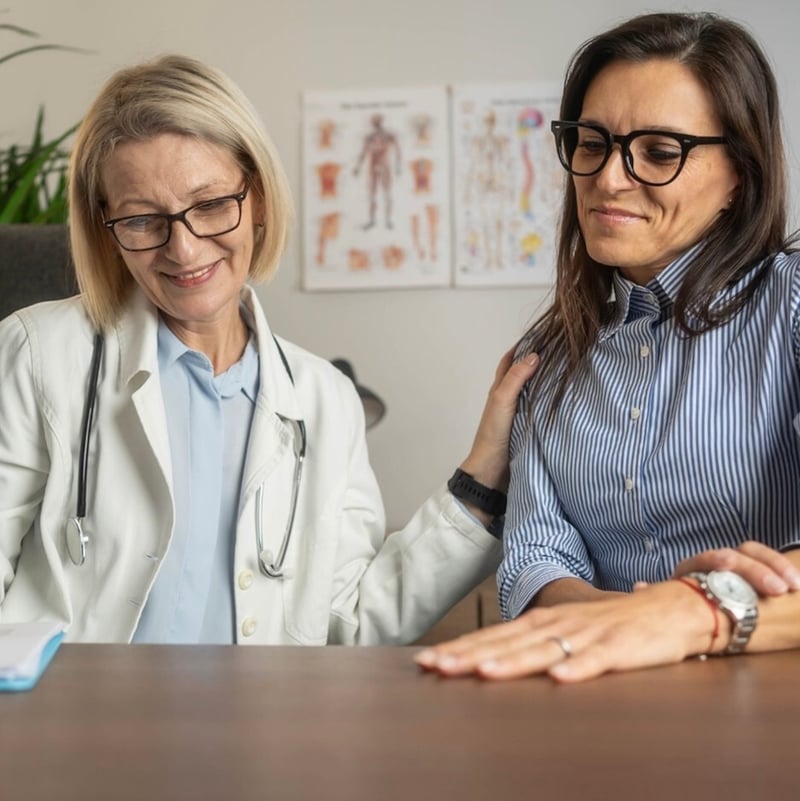

Compass-leukemia-support-blood-cancer

Frequently Asked Questions About Leukemia

What are the signs and symptoms of leukemia?

Not everyone with leukemia experiences symptoms in the early stages, depending on the type of the disease (acute or chronic). While there are specific symptoms for each type of leukemia, there are general signs and symptoms that they have in common that you should be aware of.

Learn more about the signs and symptoms of leukemia.

Who is most at risk for developing leukemia?

While leukemia can affect anyone, certain factors are known to increase the risk of developing the disease. Some of these risk factors include:

  • Advanced age - The risk increases after age 60, except for acute lymphocytic leukemia (ALL), which is more common in people under 20.
  • Genetic conditions - Disorders such as Down syndrome, Fanconi anemia, neurofibromatosis type 1, Wiskott-Aldrich syndrome, Bloom syndrome, Trisomy 8, Klinefelter syndrome, Shwachman-Diamond syndrome, and Kostmann syndrome are linked to a higher risk of leukemia.
  • Smoking - Tobacco use and exposure to secondhand smoke can elevate the risk of certain leukemias.
  • Blood disorders - Conditions such as primary myelofibrosis, myelodysplastic syndromes (MDS), polycythemia vera, and essential thrombocythemia may increase the risk of leukemia.
  • Previous cancer treatment - Chemotherapy or radiation therapy for another cancer can elevate the risk of specific leukemias.
  • Family history of leukemia - Although uncommon, having family members diagnosed with leukemia may increase your risk.
  • Exposure to cancer-causing agents - Exposure to radiation and certain chemicals, including high-energy radiation (like atomic bomb explosions or nuclear reactor accidents), low-energy radiation from electromagnetic fields (e.g., power lines), and toxic substances such as benzene and Agent Orange, is known to increase leukemia risk.

If any of these risk factors apply to you, discuss them with your physician. They may recommend screening with bloodwork to monitor your health.


What can I do to reduce my risk of leukemia?

Currently, there is no known way to prevent most types of leukemia. However, you can take steps to reduce your risk. These include not smoking and avoiding known cancer-causing chemicals. Additionally, staying physically active and following a nutrient-rich diet can help lower cancer risk and support overall health.

How is leukemia diagnosed?

Hematologist oncologists use several tests to diagnose leukemia and determine its type. Testing may include imaging studies, blood tests, biopsies, and genetic testing.

Learn more about how leukemia is diagnosed.

Is leukemia hereditary?

Leukemia is rarely inherited, but certain genetic mutations can increase the risk of developing the condition. Environmental factors may also influence a person’s likelihood of developing leukemia.

What are the signs and symptoms of leukemia?

What are the signs and symptoms of leukemia?

Not everyone with leukemia experiences symptoms in the early stages, depending on the type of the disease (acute or chronic). While there are specific symptoms for each type of leukemia, there are general signs and symptoms that they have in common that you should be aware of.

Learn more about the signs and symptoms of leukemia.

Who is most at risk for developing leukemia?

Who is most at risk for developing leukemia?

While leukemia can affect anyone, certain factors are known to increase the risk of developing the disease. Some of these risk factors include:

  • Advanced age - The risk increases after age 60, except for acute lymphocytic leukemia (ALL), which is more common in people under 20.
  • Genetic conditions - Disorders such as Down syndrome, Fanconi anemia, neurofibromatosis type 1, Wiskott-Aldrich syndrome, Bloom syndrome, Trisomy 8, Klinefelter syndrome, Shwachman-Diamond syndrome, and Kostmann syndrome are linked to a higher risk of leukemia.
  • Smoking - Tobacco use and exposure to secondhand smoke can elevate the risk of certain leukemias.
  • Blood disorders - Conditions such as primary myelofibrosis, myelodysplastic syndromes (MDS), polycythemia vera, and essential thrombocythemia may increase the risk of leukemia.
  • Previous cancer treatment - Chemotherapy or radiation therapy for another cancer can elevate the risk of specific leukemias.
  • Family history of leukemia - Although uncommon, having family members diagnosed with leukemia may increase your risk.
  • Exposure to cancer-causing agents - Exposure to radiation and certain chemicals, including high-energy radiation (like atomic bomb explosions or nuclear reactor accidents), low-energy radiation from electromagnetic fields (e.g., power lines), and toxic substances such as benzene and Agent Orange, is known to increase leukemia risk.

If any of these risk factors apply to you, discuss them with your physician. They may recommend screening with bloodwork to monitor your health.


What can I do to reduce my risk of leukemia?

What can I do to reduce my risk of leukemia?

Currently, there is no known way to prevent most types of leukemia. However, you can take steps to reduce your risk. These include not smoking and avoiding known cancer-causing chemicals. Additionally, staying physically active and following a nutrient-rich diet can help lower cancer risk and support overall health.

How is leukemia diagnosed?

How is leukemia diagnosed?

Hematologist oncologists use several tests to diagnose leukemia and determine its type. Testing may include imaging studies, blood tests, biopsies, and genetic testing.

Learn more about how leukemia is diagnosed.

Is leukemia hereditary?

Is leukemia hereditary?

Leukemia is rarely inherited, but certain genetic mutations can increase the risk of developing the condition. Environmental factors may also influence a person’s likelihood of developing leukemia.

Meet Our Leukemia Specialist in Portland & Vancouver